
Advantages of aluminium
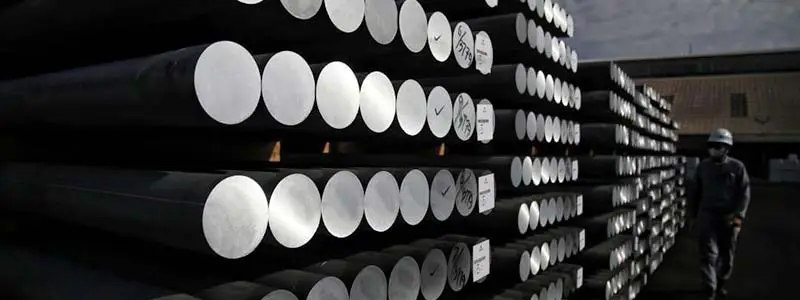
Aluminium has been described as the “material of the future” and more and more companies are realising the obvious benefits of using it thanks to its unique and unbeatable combination of properties.
Aluminium Properties:
- High strength to weight ratio
- Good electrical and thermal conductivity
- Durable
- Excellent formability
- Good resistance to corrosion
- Attractive surface finish
- Excellent light and heat reflector
- Fireproof
- Low maintenance
- Easy and economic to recycle
- Non toxic
Aluminium is also one of the most environmentally friendly metals in use today which is why it is often referred to as the “green metal”. One of the major advantages of aluminium is that it is infinitely recyclable and because of this 70% of aluminium which has ever been produced is still in use.
Its recyclability is a characteristic that can be designed into any product, regardless of its use. What starts as the bumper of a car, can, in another life, become a ladder or garden chair.
A significant benefit of recycling is that it requires only 5% of the energy used to produce primary aluminium therefore significantly reducing environmental impact. Unlike many other materials, aluminium’s properties when it is recycled are no different to that of the primary metal.
Aluminium Alloys
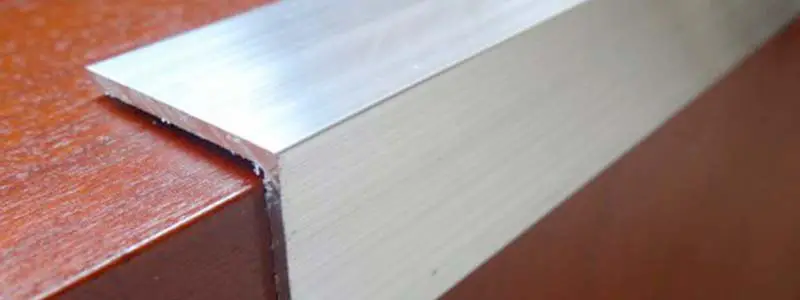
In aluminium extrusion the choice of the correct alloy is of paramount importance as each aluminium alloy has a unique mixture of properties. Therefore an alloy, combined with the correct thermal treatments, lends itself to particular applications.
The use of pure aluminium commercially is limited. Most aluminium extrusions are made from aluminium alloyed with other metals. The most common elements used are magnesium (Mg), silicon (Si), manganese (Mn), zinc (Zn) and copper (Cu). They form between 0.2 and 7.0 percent of the aluminium alloys.
Aluminium extrusion is most common using alloys in the 1000, 6000 and 7000 series. Alloys in the 1000 series are not heat treatable and have low strength. They are most often used in applications which require a high level of electrical and thermal conductivity.
Both the 6000 and 7000 series are heat treatable. These are the most widely used alloys in extrusion and can be used in a wide variety of applications.
The most popular alloy is 6060 thanks to its medium strength and its easy extrudability, even for complicated cross sections. Typical applications for the 6060 alloy are lights, furniture, windows and doors thanks to its good formability.
The 6082 alloy, however offers high strength and is suitable for extrusion designs which are not too complicated. Thanks to its high strength it is suitable for load bearing applications such as stairs and scaffolding and the marine and offshore industries, as well as the transport sector for motorway barriers and road signs.
Anodising
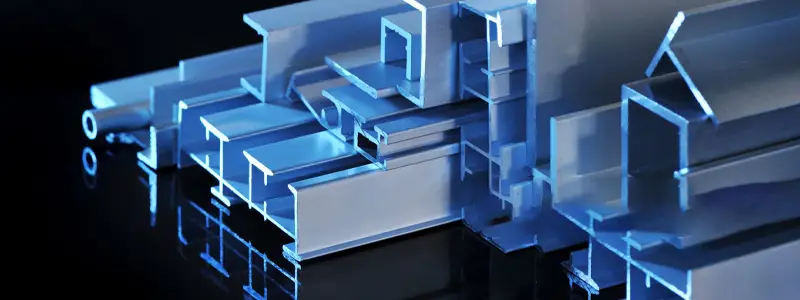
Anodising is an electrochemical process that allows you to increase the natural and clear oxide layer which is normally present on the metal surface.
Anodising produces a decorative, soil-repellent, corrosion-resistant surface. The surface of the metal is transformed into oxide through electrolysis. The process continues until the thickness of the oxide layer is the desired thickness – usually 5 – 25 microns. The thickness of the top layer is determined by the final application. For indoor aluminium extrusion applications, the top layer is between 5 and 15 microns thick. For outdoor aluminium extrusion applications, or for harsh environments, the layer is between 15 and 25 microns.
There are two main reasons for surface treating aluminium extrusions. For aesthetic purposes; aluminium’s natural colour (naturally anodised) can be retained or a colour from a wide range of alternatives can be chosen, or to give the surface special properties.
Some of the properties that can be changed and improved by surface treatment are:
- Surface structure
- Hardness
- Wear
- Reflectivity
- Electrical insulation cap
Anodising is used to create:
- corrosion resistance
- decorative surface
- smooth surface
- functional surface, a sliding face or an abrasion-proof surface, for machine parts for example
- electric insulating surface
- as a basis for application of glue and paint
BAB
Wet or powder coating aluminium extrusion improves the appearance of the profiles and is very durable. Depending on your preference, the surface can be coated with a matte, satin or gloss finish.
Colours can be chosen from the extensive RAL or BS colour ranges or can be matched to any customer specification in flat, metallic or textured finishes.

